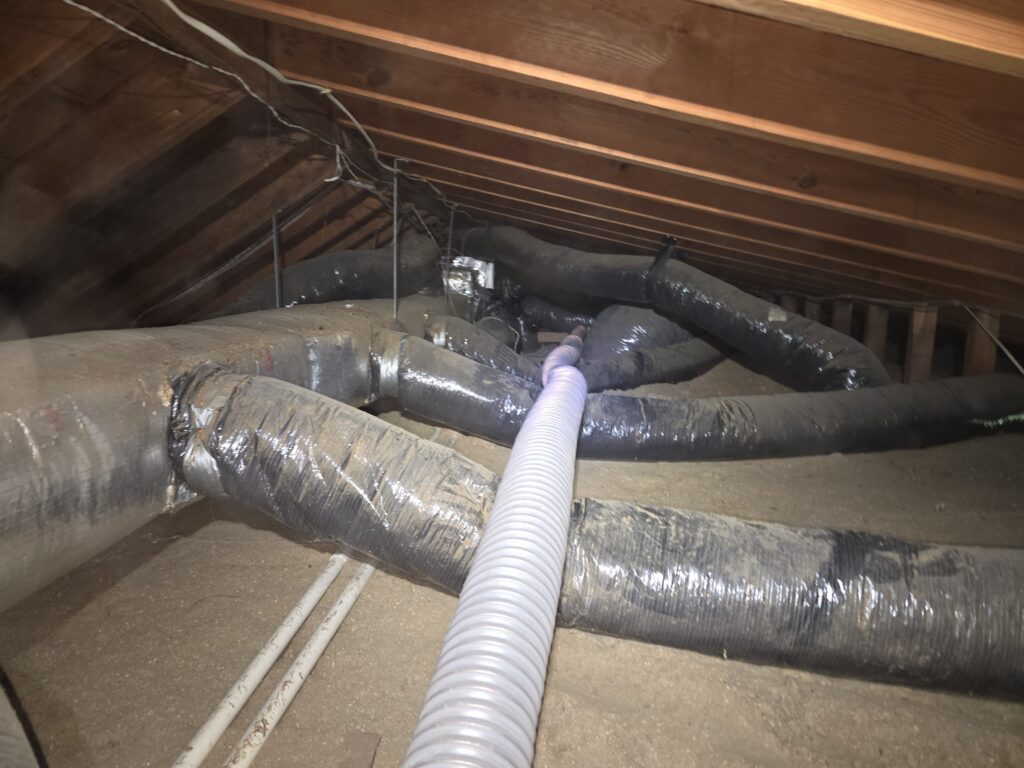
Can You Install New Insulation Over Old Insulation?
Sometimes You Can. Sometimes You Shouldn’t.
One of the most common questions we hear from Maryland homeowners is:
“Can you install new insulation over my existing insulation?”
The honest answer is:
Sometimes.
If your existing insulation is clean, dry, and still performing properly, adding new insulation over it is often the most cost-effective solution.
However, if the insulation has been contaminated by rodents, damaged by moisture, compressed over time, or hiding air leaks, installing new insulation on top can simply cover up problems that should be corrected first.
At Xanvria, we inspect every attic before making a recommendation. Our goal isn’t to sell insulation removal if you don’t need it—it’s to recommend the solution that’s best for your home.
Why This Question Matters
Many homeowners assume that adding more insulation is always the answer.
Unfortunately, that’s not always true.
Imagine placing brand-new carpet over a wet floor.
The new carpet may look great initially, but the moisture problem underneath hasn’t gone away.
The same concept applies to attic insulation.
If the existing insulation is in good condition, adding more insulation can significantly improve your home’s energy efficiency.
If the insulation is contaminated or damaged, covering it with new insulation simply hides the problem instead of solving it.
That’s why a professional attic inspection is so important before adding insulation.
When You Can Install New Insulation Over Existing Insulation
In many homes, installing new insulation over existing insulation is perfectly acceptable.
We typically recommend adding insulation when the existing insulation is:
✓ Dry
✓ Clean
✓ Free of rodent contamination
✓ Free of mold
✓ Evenly distributed
✓ Not severely compressed
✓ Still providing insulation value
✓ Located in an attic with proper ventilation
If these conditions are met, adding blown-in fiberglass insulation can increase your attic’s R-value and improve your home’s comfort without the added expense of removing the existing insulation.
For many Maryland homes, this is the right solution.
Pro Tip from Xanvria
Every attic is different.
We never decide whether insulation should be removed before inspecting the attic. Some homeowners only need additional insulation, while others benefit from insulation removal first. Our recommendations are always based on the actual condition of your attic—not a one-size-fits-all approach.
When Old Insulation Should Be Removed First
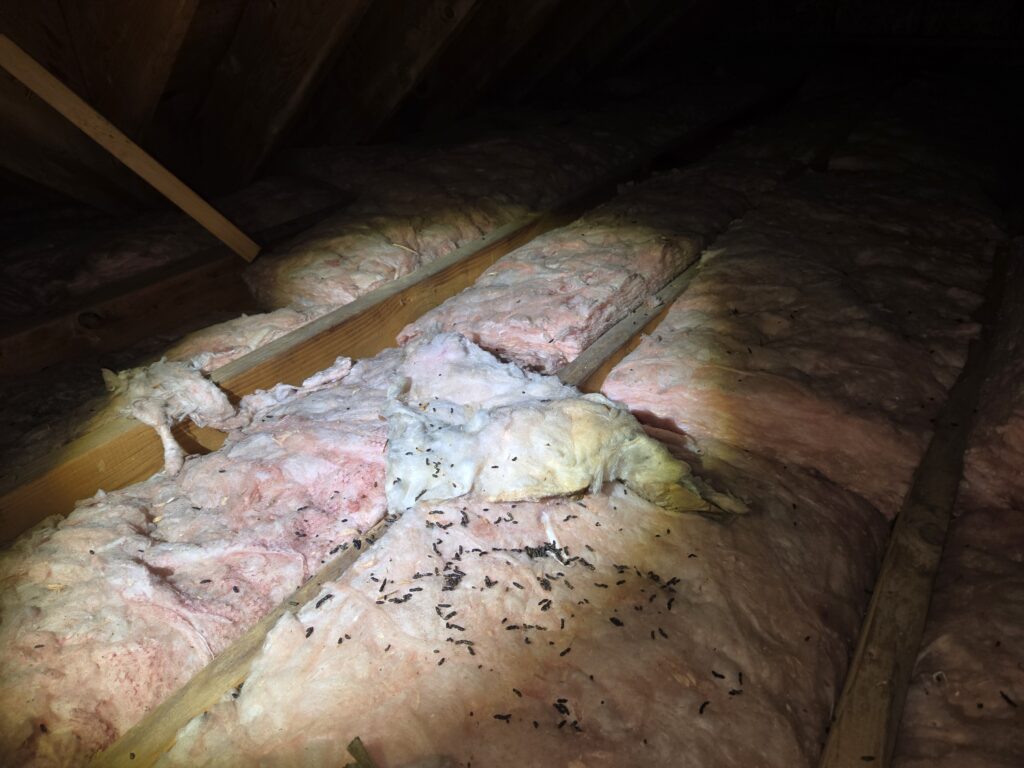
Rodent droppings throughout existing attic insulation. In situations like this, installing new insulation over the existing material is generally not recommended.
There are situations where installing new insulation over old insulation is not recommended.
If we discover any of the following during an inspection, we usually recommend removing the existing insulation before installing new material.
Rodent Contamination
Rodent droppings, urine, nesting material, and food debris often become trapped within attic insulation.
Adding new insulation over contaminated insulation does not eliminate the odor or contamination.
Instead, it buries the problem beneath a new layer of insulation.
Moisture Damage
Water leaks can soak insulation, reducing its effectiveness and creating conditions that promote mold growth.
Wet insulation loses much of its insulating ability and should typically be removed after the source of the moisture has been repaired.
Mold Growth
If mold is present within the insulation or on attic surfaces, adding more insulation only conceals the problem.
The source of the moisture should be addressed first, followed by proper sanitation and removal of affected insulation when necessary.
Severely Compressed Insulation
Older insulation naturally settles over time.
When insulation becomes heavily compressed, it loses much of its ability to trap air and resist heat transfer.
Simply adding insulation on top may not address the underlying issues if the existing material is heavily compacted or damaged.
Smoke or Fire Damage
Insulation that has absorbed smoke odors or soot following a fire often needs to be removed before installing new insulation.
Common Problems We Discover After Removing Old Insulation
One of the biggest benefits of insulation removal is that it allows us to inspect areas that have been hidden for years.
Once the insulation is removed, we frequently discover:
🟠 Hidden rodent entry points
🟠 Air leaks around top plates
🟠 Plumbing penetrations
🟠 Electrical penetrations
🟠 Bathroom exhaust fans venting into the attic
🟠 Damaged ductwork
🟠 Missing attic baffles
🟠 Roof leaks
🟠 Water staining
🟠 Moisture damage
🟠 Areas that need air sealing before new insulation is installed
Many of these problems would have remained hidden if new insulation had simply been installed over the existing material.
Why Air Sealing Should Come Before Adding Insulation
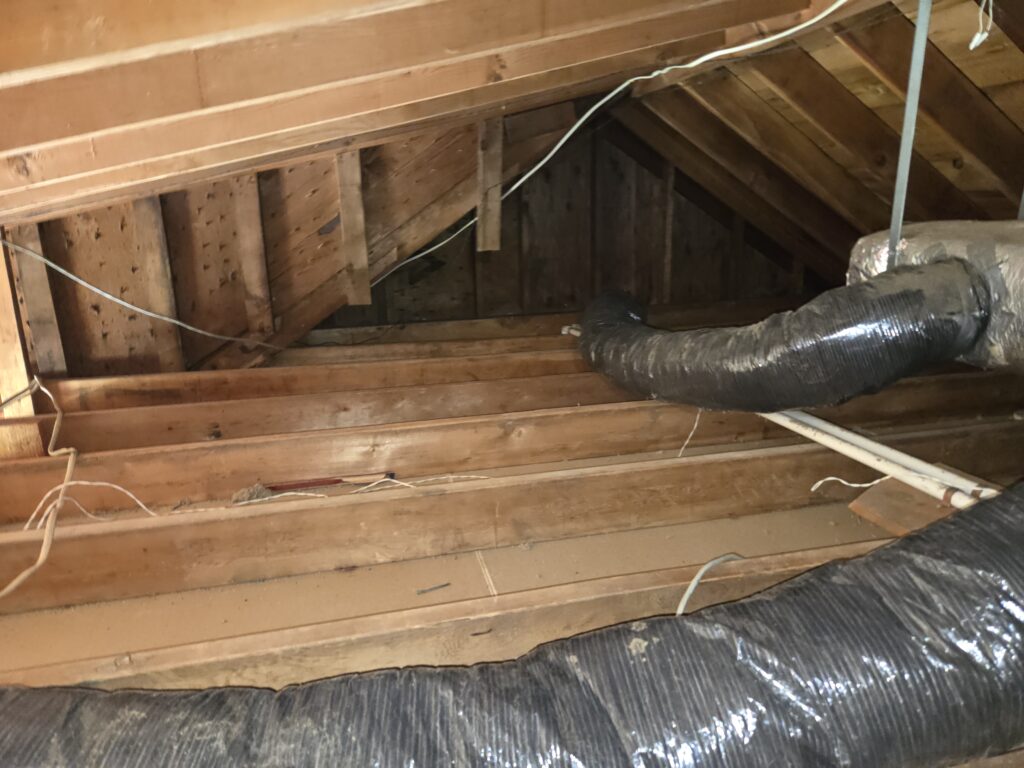
Removing old insulation exposes plumbing, wiring, and air leakage points that can now be properly sealed before new insulation is installed.
One of the biggest mistakes homeowners make is installing more insulation without addressing air leaks first.
Insulation slows heat transfer.
Air sealing stops conditioned air from escaping your home.
If warm or cool air can escape through openings around plumbing, wiring, recessed lighting, attic hatches, or wall top plates, adding more insulation alone won’t solve the problem.
That’s why we inspect for air leaks before recommending additional insulation.
In many cases, sealing those leaks first allows the new insulation to perform much more effectively.
Can Different Types of Insulation Be Combined?
Yes—in many situations.
Different insulation materials can often work together when installed correctly.
Examples include:
• Blown-in fiberglass over fiberglass batts
• Blown-in fiberglass over cellulose
• Fiberglass batts with additional blown-in insulation
The important question isn’t whether the materials can be combined.
The important question is whether the existing insulation is still in good condition.
A professional inspection helps answer that question.
What We Evaluate During an Attic Inspection
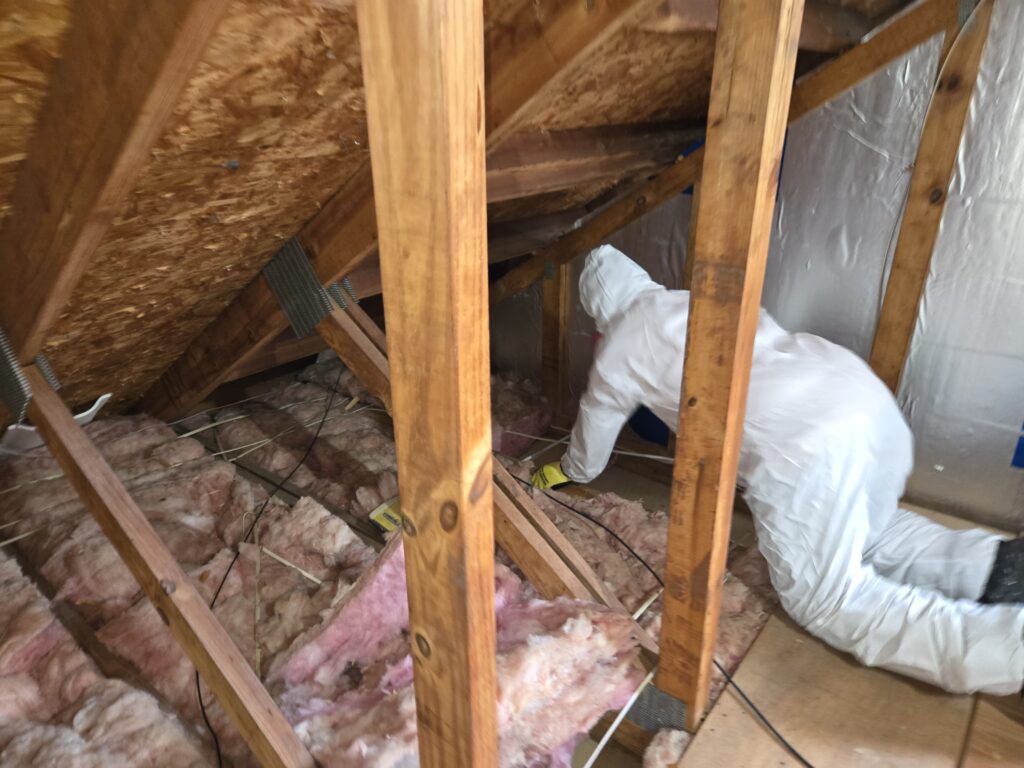
Every Xanvria inspection includes evaluating insulation depth, rodent activity, air leaks, and overall attic conditions.
Before recommending additional insulation or insulation removal, Xanvria performs a comprehensive attic inspection.
During your inspection, we evaluate:
🟠 Existing insulation depth
🟠 Current insulation condition
🟠 Air leakage
🟠 Rodent activity
🟠 Moisture concerns
🟠 Mold or mildew
🟠 Roof leaks
🟠 Bathroom exhaust ducts
🟠 Ventilation
🟠 Energy-efficiency opportunities
After the inspection, we’ll explain our findings, answer your questions, and recommend only the work your attic actually needs.
Our Recommendation
Many homeowners assume insulation removal is always necessary.
Others assume adding insulation is always enough.
The truth is that every attic is different.
Some homes simply need additional insulation.
Others benefit from insulation removal, sanitation and decontamination, air sealing, rodent proofing, and new insulation installation.
Our recommendations are always based on what we find—not on selling unnecessary services.
Frequently Asked Questions
Can blown-in insulation be installed over fiberglass batts?
Yes. If the existing fiberglass batts are clean, dry, and in good condition, blown-in fiberglass insulation can often be installed over them to increase the attic’s overall R-value.
Do I always need insulation removal before adding new insulation?
No.
Many attics only require additional insulation.
An inspection is the best way to determine whether your existing insulation can remain.
Can I install new insulation over rodent-contaminated insulation?
We generally do not recommend it.
Rodent droppings, urine, nesting materials, and odors remain beneath the new insulation and may continue affecting your home’s indoor air quality.
What if my insulation has gotten wet?
Wet insulation should usually be removed after the source of the moisture has been repaired because it loses much of its insulating value and may contribute to mold growth.
Will adding more insulation lower my energy bills?
Proper attic insulation can improve your home’s energy efficiency and may reduce heating and cooling costs, especially when combined with proper air sealing.
How do I know if my attic needs insulation removal?
A professional attic inspection can determine whether your existing insulation is clean enough to remain or whether removal would provide better long-term results.
Related Services
If you’re researching attic insulation, these services may also help:
- Attic Insulation
- Insulation Removal
- Air Sealing
- Rodent Proofing
- Sanitation & Decontamination
Get a Free Attic Inspection
Not sure whether your existing insulation should stay or be removed?
Xanvria provides professional attic inspections throughout Maryland. We’ll evaluate the condition of your insulation, identify hidden issues, and recommend the most effective solution for your home.
Whether your attic needs additional insulation, insulation removal, air sealing, or rodent proofing, we’ll explain your options clearly and help you make an informed decision.
📞 Call (443) 464-1484 today to schedule your free attic inspection and estimate.